
Together Towards a Barrier-Free World
Inspiring Dialogue. Practical Solutions. Shaping the Future of Accessible Travel & Tourism.
Accessible travel and tourism has evolved from a niche consideration into a global imperative. Guided by the United Nations Convention on the Rights of Persons with Disabilities (CRPD), countries worldwide are adopting human rights-based policies, legislation, standards, and programmes that promote equal participation for persons with disabilities.
While accessibility laws continue to expand globally, implementation and enforcement still vary significantly. Accessible tourism has also become one of the world’s fastest-growing tourism segments. Destinations and service providers are moving beyond legal compliance by investing in accessible infrastructure, accommodation, transportation, attractions, digital platforms, and technologies that enable seamless and independent travel experiences. Accessibility is not only about removing barriers, it preserves dignity, promotes independence, enhances wellbeing, and creates equal opportunities for everyone.

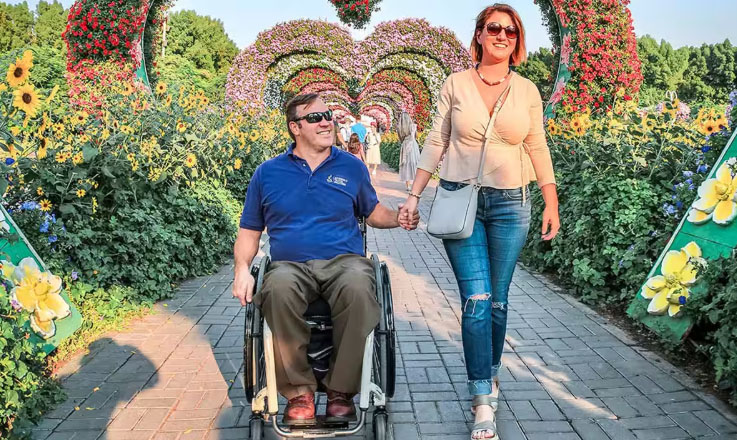
The Global Opportunity in Accessible Tourism
- 1.3 Billion+ people worldwide live with some form of disability (approximately 1 in 6 people).
- US$11.6 Trillion contributed by the global travel and tourism industry.
- 9.8% of global GDP is generated by the travel and tourism sector.
- 30 Billion tourist nights projected globally by 2030.
- 2.4 Billion tourist nights expected across the Middle East by 2030.
- US$161.8 Billion projected global accessible travel and tourism market by 2034.
- 4x Growth in Middle East outbound travel over the past two decades.
- US$600 Million spent daily by international visitors across the Middle East.
- 50+ Million people with disabilities reside in the Middle East.
- US$465 Billion projected value of the Middle East travel and tourism sector by 2035.
- 9% contribution of the travel and tourism sector to the Middle East’s regional GDP.
- US$68.5 Billion contributed by the UAE travel and tourism sector to GDP in 2025.
- US$56.9 Billion in international visitor spending in the UAE in 2025.
The Economic Case & Industry Challenges

€142 Billion Economic Opportunity Lost
Estimated annual economic opportunity missed globally by the tourism industry because destinations fail to meet the accessibility needs of travellers with disabilities (Source: European Network for Accessible Tourism – ENAT).

Barriers to Growth
- Inadequate infrastructure and fragmented services.
- Limited promotion and insufficient investment.
- Inconsistent collaboration between governments, businesses, and destination managers.

Key Decision Drivers
Research consistently shows that accessibility, comfort, reliability, and independence are the primary factors influencing destination choice for travellers with disabilities, and reducing barriers directly increases their willingness to travel.
The 6th International Accessible Travel & Tourism Summit
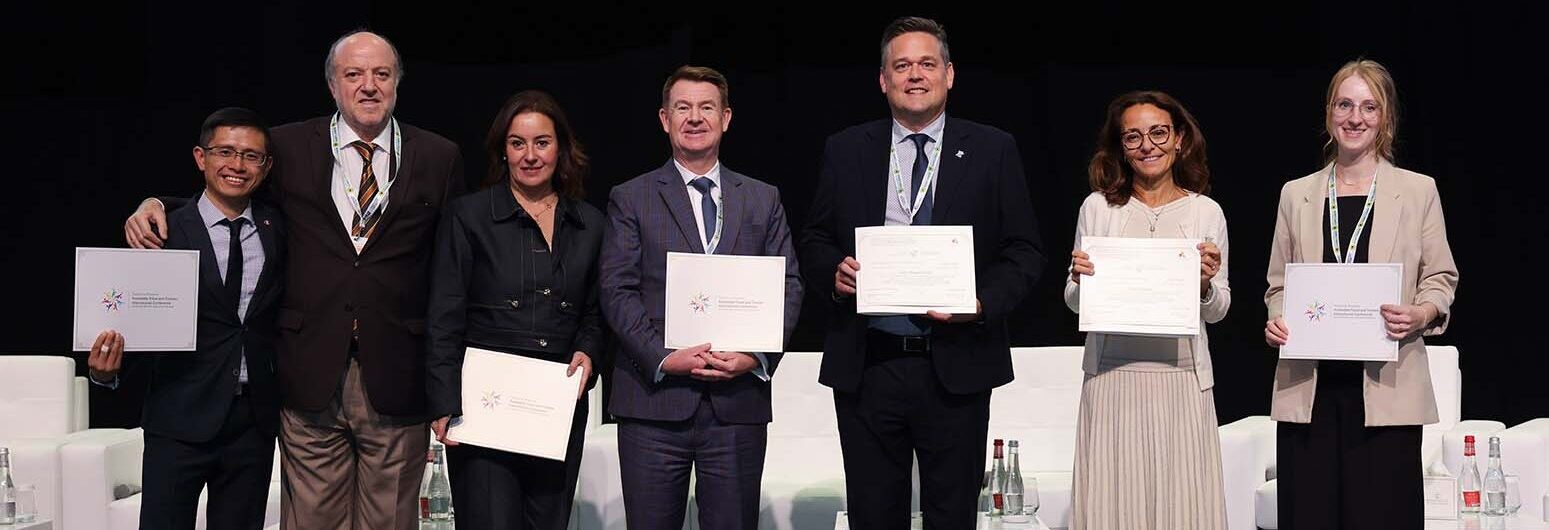
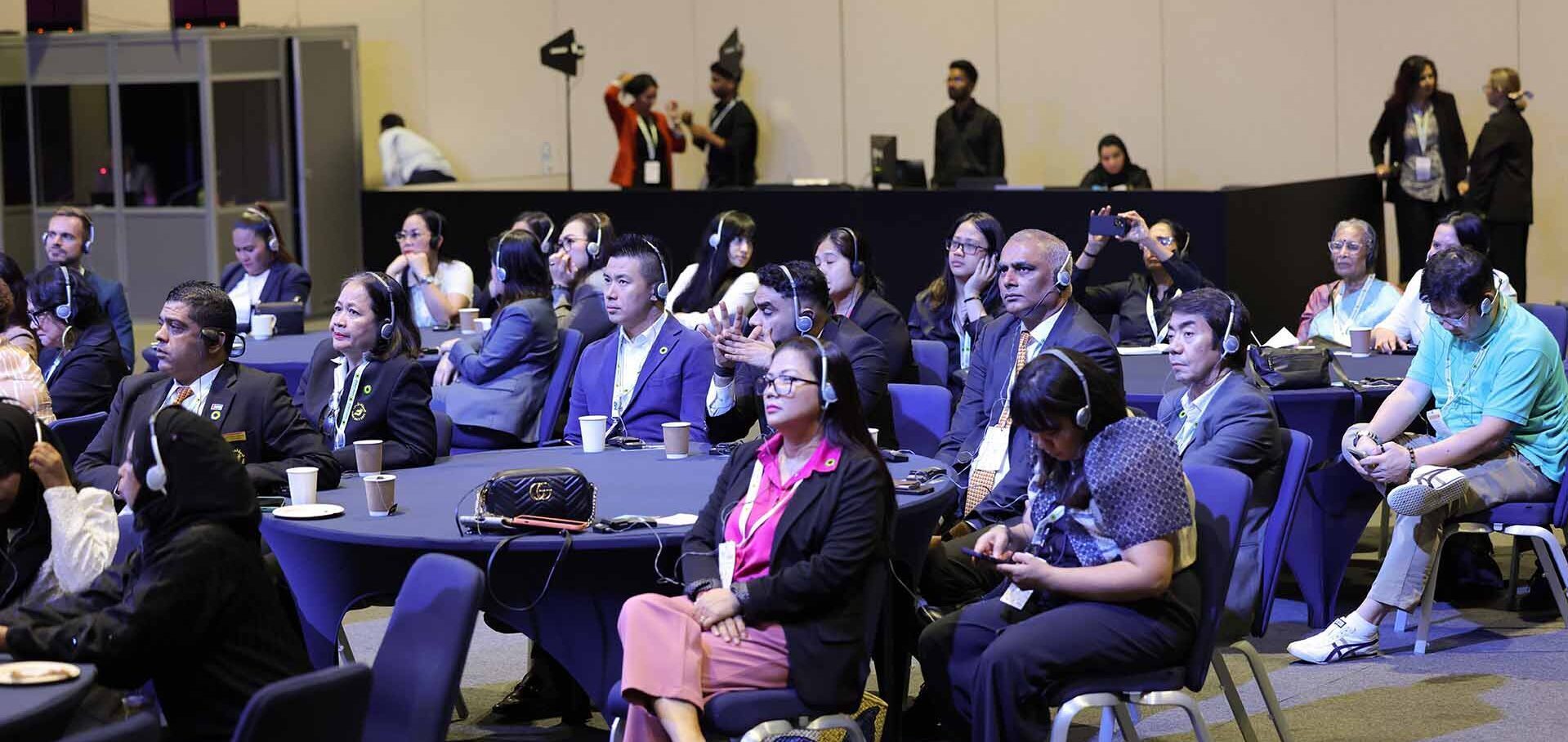
The 6th International Accessible Travel & Tourism Summit (IATTS 2026) will explore every aspect of this rapidly expanding industry, including market opportunities, investment, policy development, destination management, marketing, emerging technologies, accessibility standards, and practical solutions for accelerating industry growth. Bringing together more than 500 senior government officials, policymakers, tourism authorities, accessibility experts, destination managers, and industry leaders, the Summit will showcase international best practices, encourage collaboration, and help shape a more inclusive future for millions of travellers worldwide.
Discussions will cover accessible destinations, emerging technologies, inclusive tourism strategies, workforce development, and customer service excellence. The Summit will also highlight initiatives such as the Hidden Disabilities Sunflower programme and demonstrate how accessible infrastructure including adapted accommodation, accessible transport, sensory-friendly environments, assistive technologies, tactile pathways, audio guidance, accessible websites, and sign language services – creates seamless travel experiences.
According to the United Nations Department of Economic and Social Affairs (UN DESA), accessibility is both a fundamental human right and a cornerstone of sustainable development. Investing in accessible tourism benefits not only people with disabilities but also strengthens economies, enhances destination competitiveness, and creates more inclusive societies.
Join the 6th International Accessible Travel & Tourism Summit (IATTS 2026) in Dubai and become part of a global movement advancing accessible tourism, driving innovation, unlocking investment opportunities, and building a truly barrier-free future for travellers worldwide.