

Celebrating Global Leaders in Accessibility
We proudly recognise the cities featured on this page for their commitment to creating more accessible, inclusive, and welcoming environments for residents and visitors alike. Through innovative policies, inclusive infrastructure, and barrier-free tourism initiatives, these destinations are setting new benchmarks for accessible travel and inspiring communities around the world. We extend our sincere appreciation to each city for championing a future where everyone can experience travel with dignity, independence, and equal opportunity.
Celebrating Global Leaders in Accessibility
We proudly recognise the cities featured on this page for their commitment to creating more accessible, inclusive, and welcoming environments for residents and visitors alike. Through innovative policies, inclusive infrastructure, and barrier-free tourism initiatives, these destinations are setting new benchmarks for accessible travel and inspiring communities around the world. We extend our sincere appreciation to each city for championing a future where everyone can experience travel with dignity, independence, and equal opportunity.
Dubai
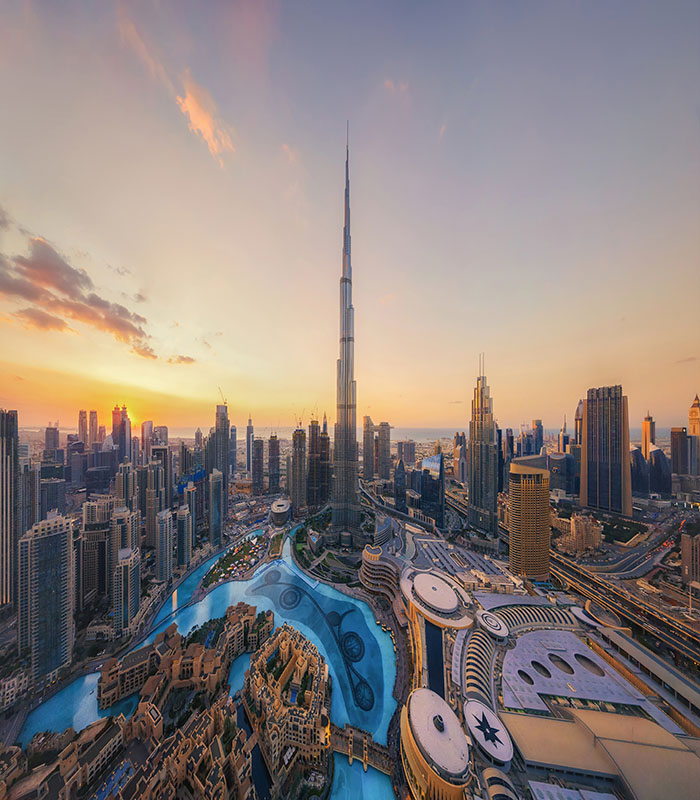
Dubai is recognized as one of the world’s leading accessible tourism destinations, delivering an inclusive travel experience for People of Determination through world-class infrastructure, innovation, and government-led accessibility initiatives. Iconic attractions including Burj Khalifa, Dubai Mall, Museum of the Future, Dubai Frame, Expo City Dubai, Dubai Fountain, and Kite Beach feature step-free access, wheelchair-friendly facilities, accessible restrooms, elevators, and dedicated visitor support. In 2025, Dubai became the first Certified Autism Destination™ in the Eastern Hemisphere, reinforcing its global leadership in creating inclusive experiences for visitors with autism and sensory needs.
Accessibility extends across every stage of the visitor journey. Dubai International Airport provides comprehensive assistance services and has received the Airports Council International (ACI) Accessibility Enhancement Accreditation in the year 2023, recognising its commitment to accessible travel. It was also recognised for Digitised Safety and Inclusive Travel at the Ideas Arabia International Award 2025–2026. Emirates became the world’s first Autism Certified Airline™, offering enhanced support for autistic travellers and their families. The fully automated Dubai Metro, accessible buses, taxis, marine transport, and pedestrian infrastructure ensure seamless mobility throughout the city. Supported by initiatives such as the Dubai Universal Design Code and continuous accessibility enhancements, Dubai continues to set international benchmarks for accessible and inclusive tourism.
Singapore

Singapore is recognised as one of Asia’s leading accessible destinations, integrating universal design into its urban planning, public transport, tourism, and public infrastructure. Through its Enabling Masterplan, Smart Nation initiatives, and Universal Design policies, the city has created an inclusive environment where residents and visitors of all abilities can travel independently. Nearly all MRT stations provide step-free access with lifts, tactile guidance systems, accessible ticket gates, and wheelchair-friendly facilities, while low-floor buses, barrier-free pedestrian networks, and accessible public buildings further enhance mobility. Iconic attractions including Gardens by the Bay, Marina Bay Sands, Sentosa, Singapore Zoo, and the National Museum of Singapore offer accessible entrances, lifts, wheelchair services, and inclusive visitor facilities.
Singapore is internationally recognised for its leadership in universal design and barrier-free urban planning. The Building and Construction Authority (BCA) continues to advance accessibility standards across the built environment, while the Enabling Masterplan 2030 reinforces the nation’s commitment to inclusive transport, tourism, housing, education, and public services.
Barcelona, Spain

Barcelona is one of the most accessible European tourism destinations, offering inclusive transport, barrier-free public spaces, accessible beaches, and world-renowned cultural attractions. Accessible buses, low-floor trams, adapted metro stations, accessible taxis, and pedestrian-friendly streets allow visitors to explore the city independently. Major attractions including La Sagrada Família, Park Güell, Casa Batlló, the Picasso Museum, and Barcelona Aquarium provide accessible entrances, lifts, adapted routes, tactile resources, and visitor assistance.
Barcelona has received international recognition through the European Commission’s Access City Award programme, earning Second Prize in 2011 and Third Prize in 2022 for its commitment to accessible transport, public spaces, tourism, digital services, and inclusive urban development. Working closely with disability organisations, the city continues to strengthen its reputation as a benchmark for accessible tourism in Europe.
London, United Kingdom

London is one of the world’s leading accessible cities, providing inclusive transport, accessible attractions, adapted accommodation, and comprehensive visitor services. Transport for London (TfL) operates one of the world’s largest accessible transport networks, featuring accessible buses, an expanding number of step-free Underground and Elizabeth Line stations, accessible taxis, river services, and audio-visual passenger information. Visitors can enjoy accessible experiences at attractions including the British Museum, Tower of London, Buckingham Palace, the London Eye, the Natural History Museum, and Kew Gardens, all of which provide accessible entrances, lifts, adapted facilities, and assistive services.
London is internationally recognised for its leadership in accessible public transport and inclusive tourism. Continuous investment by Transport for London, the Greater London Authority, and cultural institutions has strengthened step-free travel, digital accessibility, and inclusive visitor experiences, making London one of the world’s most accessible capital cities.
Vienna, Austria

Vienna is internationally recognised for its commitment to universal accessibility, integrating inclusive design across transport, public services, housing, culture, and urban development. The city’s accessible public transport network includes low-floor trams, buses, barrier-free metro stations, tactile guidance systems, and accessible railway services, enabling independent travel throughout the city. Visitors can comfortably explore attractions such as Schönbrunn Palace, Belvedere Museum, Wien Museum, and St. Stephen’s Cathedral through accessible entrances, lifts, Braille signage, and inclusive visitor facilities.
Vienna was named the Winner of the European Commission’s Access City Award 2025, jointly presented by the European Commission and the European Disability Forum. The city was recognised for its comprehensive “Inclusive Vienna 2030” strategy, which integrates accessibility into transport, housing, digital services, employment, education, and public participation while actively involving disability organisations in decision-making and exceeding legal accessibility standards.
Berlin, Germany
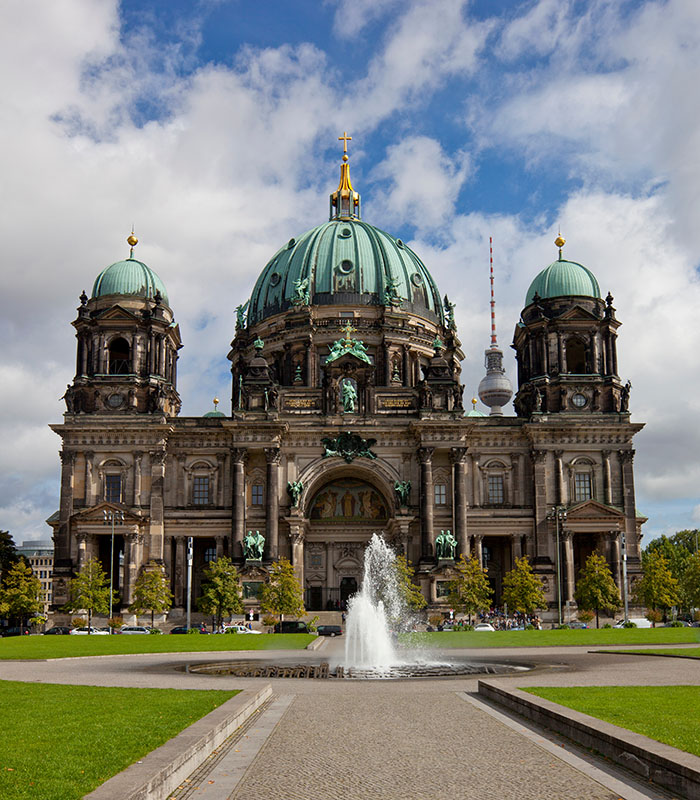
Berlin combines rich cultural heritage with modern accessibility, making it one of Europe’s leading inclusive destinations. The city offers accessible U-Bahn and S-Bahn stations, low-floor trams and buses, tactile guidance systems, lifts, and accessible railway services, enabling convenient travel throughout the capital. Visitors can experience iconic attractions including Museum Island, Brandenburg Gate, the Reichstag Building, Berlin TV Tower, and the Jewish Museum Berlin through accessible entrances, lifts, adapted visitor facilities, and inclusive cultural programmes.
Berlin received the European Commission’s Access City Award 2013, recognising its outstanding achievements in accessible transport, public buildings, tourism, education, and social inclusion. The award highlighted the city’s long-term commitment to barrier-free urban development and its collaborative approach with disability organisations, which continues to shape Berlin’s accessibility initiatives today.
To help address this growing risk, Cities Alliance, together with the International Institute for Environment and Development (IIED) and Slum Dwellers International (SDI), convened a learning exchange that brought together urban practitioners, community leaders, and climate experts to share practical approaches to tackling extreme heat in informal settlements.
Amsterdam, Netherlands

Amsterdam combines its historic character with a strong commitment to accessibility, making it one of Europe’s most welcoming destinations for travellers of all abilities. The city’s extensive public transport network includes accessible trams, buses, metro services, ferries, and railway stations, while many museums, attractions, and public buildings provide step-free access, lifts, accessible toilets, and assistive services. Visitors can enjoy barrier-free experiences at the Rijksmuseum, Van Gogh Museum, ARTIS Royal Zoo, and canal cruises, supported by dedicated accessibility information and services.
The Municipality of Amsterdam continues to invest in improving physical, social, and digital accessibility through its “Everyone Participates” accessibility programme and dedicated funding for accessible public buildings and digital services. These initiatives reinforce the city’s long-term commitment to creating an inclusive urban environment for residents and visitors alike.
To help address this growing risk, Cities Alliance, together with the International Institute for Environment and Development (IIED) and Slum Dwellers International (SDI), convened a learning exchange that brought together urban practitioners, community leaders, and climate experts to share practical approaches to tackling extreme heat in informal settlements.
Stockholm, Sweden

Stockholm is recognised as one of Scandinavia’s most accessible capitals, integrating inclusive urban planning, accessible public transport, and barrier-free cultural experiences. The city’s public transport network includes low-floor buses, accessible metro stations, commuter trains, trams, and ferries, supported by tactile guidance, audio-visual passenger information, and travel assistance services for passengers with disabilities. Visitors can enjoy accessible experiences at the Vasa Museum, Nationalmuseum, Moderna Museet, the Royal Palace, Nobel Prize Museum, and Stockholm City Hall, all of which provide step-free access, lifts, accessible toilets, tactile exhibitions, and assistive services. These initiatives allow visitors of all abilities to explore Stockholm independently while experiencing its rich cultural heritage.
Stockholm is internationally recognised for its commitment to universal accessibility, inclusive public services, and sustainable urban development. The City of Stockholm continues to invest in accessible public spaces, digital accessibility, inclusive transport planning, and barrier-free visitor experiences, reinforcing its reputation as one of Northern Europe’s leading accessible destinations.
Sydney, Australia
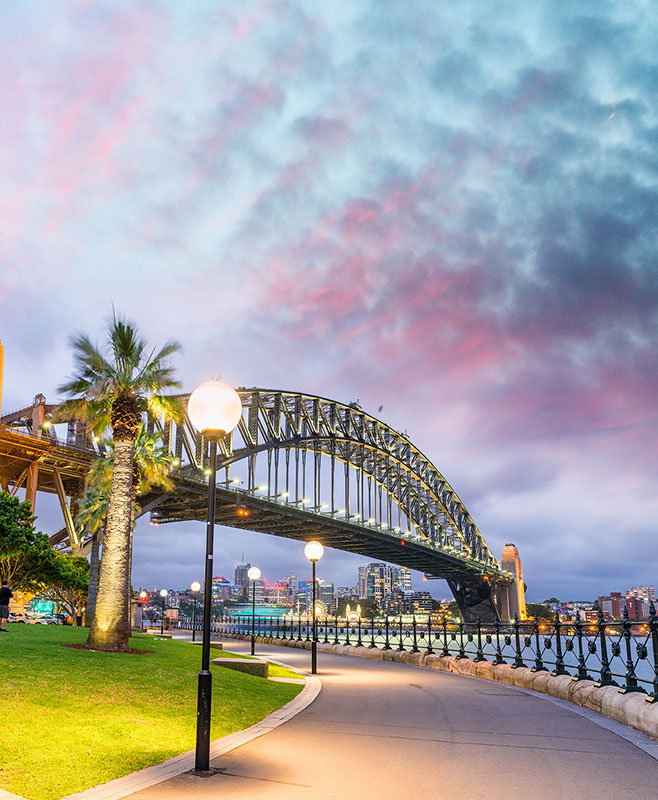
Sydney is one of the Asia-Pacific region’s leading accessible destinations, offering inclusive public transport, accessible attractions, and barrier-free public spaces that support independent travel for visitors of all abilities. The city’s transport network includes accessible trains, buses, ferries, light rail services, and pedestrian infrastructure, while iconic attractions such as the Sydney Opera House, Taronga Zoo, Darling Harbour, SEA LIFE Sydney Aquarium, and Bondi Beach provide a range of accessibility features, including step-free access, accessible seating, hearing assistance, and mobility services. Ongoing investment in accessible infrastructure and visitor experiences reinforces Sydney’s commitment to inclusive tourism.
Sydney is recognised for advancing accessibility through Australia’s Disability Strategy, the Disability Inclusion Act, and New South Wales Government accessibility initiatives. Sydney continues to enhance accessible transport, public spaces, and tourism services, making it one of Australia’s most inclusive destinations.
To help address this growing risk, Cities Alliance, together with the International Institute for Environment and Development (IIED) and Slum Dwellers International (SDI), convened a learning exchange that brought together urban practitioners, community leaders, and climate experts to share practical approaches to tackling extreme heat in informal settlements.
Vancouver, Canada
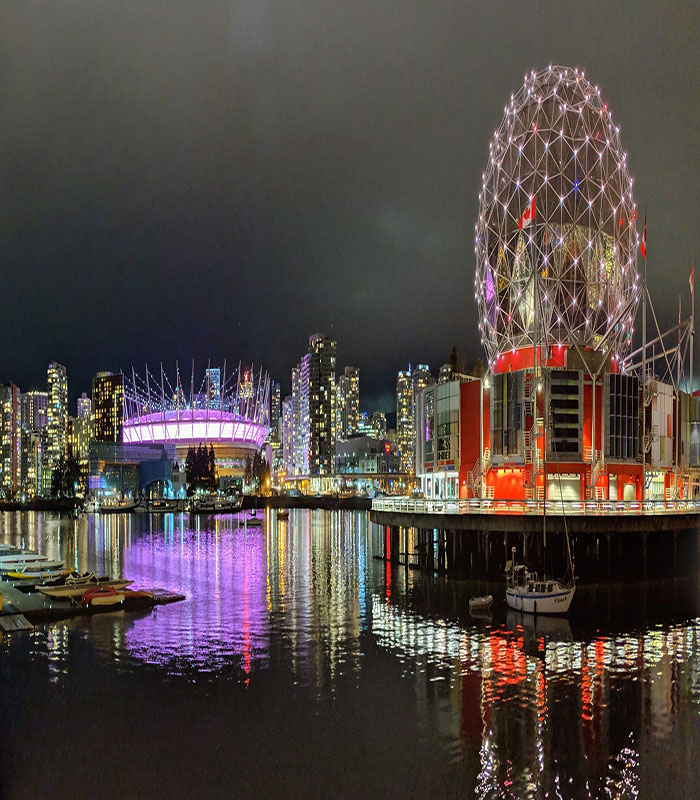
Vancouver is recognised as one of Canada’s most accessible cities, combining inclusive public transport, accessible outdoor spaces, and barrier-free attractions. The city’s SkyTrain system, SeaBus, low-floor buses, and accessible pedestrian routes provide convenient travel throughout the metropolitan area. Visitors can enjoy accessible experiences at Stanley Park, Vancouver Aquarium, Science World, Capilano Suspension Bridge Park, and Granville Island, where many facilities include step-free entrances, accessible washrooms, lifts, and visitor support services. The city’s commitment to universal accessibility extends to its parks, waterfronts, accommodation, and cultural institutions.
Vancouver continues to strengthen accessibility through the Accessible British Columbia Act and the City of Vancouver Accessibility Strategy, promoting inclusive infrastructure, public engagement, and equal participation. These initiatives have positioned Vancouver as one of North America’s leading destinations for accessible tourism.
Tokyo, Japan

Tokyo is one of Asia’s most accessible metropolitan destinations, combining advanced technology with universal design to create an inclusive travel experience. Guided by Japan’s Barrier-Free Act, the city has continuously improved accessibility across its transport network, public spaces, and visitor attractions. Most railway and metro stations are equipped with lifts, tactile paving, accessible ticket gates, and multilingual wayfinding, while low-floor buses and accessible taxis provide convenient mobility throughout the city. Iconic attractions such as Tokyo Skytree, Senso-ji Temple, Ueno Park, teamLab Planets, and the Tokyo National Museum offer step-free access, accessible facilities, and visitor support services, enabling travellers of all abilities to experience Japan’s culture, heritage, and innovation.
Tokyo is internationally recognised for its commitment to universal accessibility through Japan’s national Barrier-Free Policy and continuous infrastructure improvements, particularly following the Tokyo 2020 Olympic and Paralympic Games, which accelerated accessibility enhancements across the city.
Seoul, South Korea
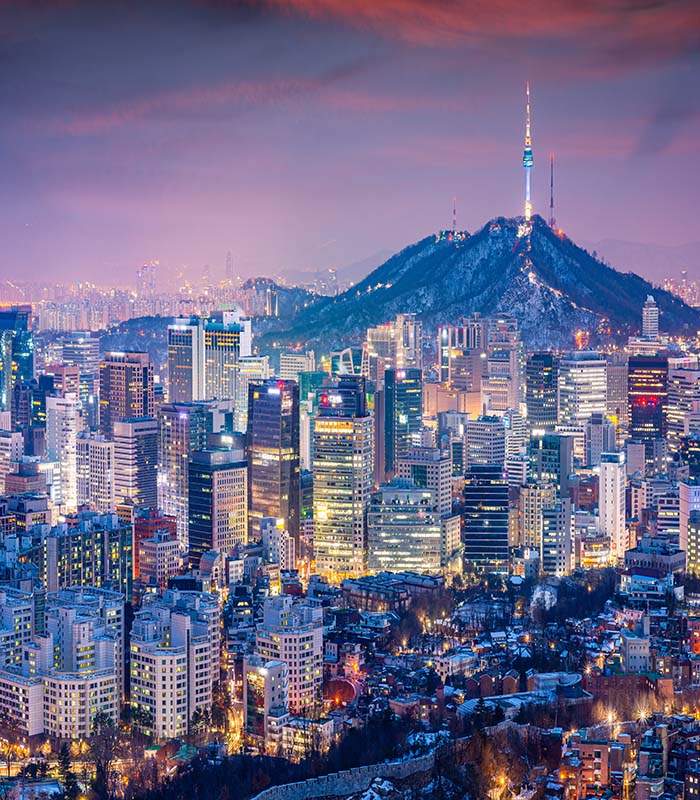
Seoul is recognised as one of Asia’s leading smart and accessible cities, integrating universal design principles into its transport system, public spaces, and tourism infrastructure. The city’s metro network features elevators, tactile paving, accessible ticket gates, audio-visual passenger information, and priority facilities, while low-floor buses and accessible taxis further improve independent mobility. Visitors can explore attractions including Gyeongbokgung Palace, N Seoul Tower, Dongdaemun Design Plaza, the National Museum of Korea, and Cheonggyecheon Stream through accessible routes, lifts, adapted facilities, and visitor assistance services.
Seoul has strengthened accessibility through the Seoul Metropolitan Government’s universal design policies and South Korea’s national disability legislation. Continued investment in smart city technologies, inclusive transport, and barrier-free tourism has positioned Seoul as one of Asia’s most progressive destinations for accessible travel.
Valencia, Spain

Valencia has emerged as one of Europe’s leading accessible destinations, recognised for its commitment to inclusive urban development, sustainable mobility, and barrier-free tourism. The city offers accessible buses, metro services, trams, and adapted public spaces that enable independent travel for residents and visitors alike. Attractions including the City of Arts and Sciences, Oceanogràfic, Valencia Cathedral, and Turia Gardens feature accessible routes and visitor facilities. Valencia’s dedication to universal accessibility was internationally recognised through the European Commission’s Access City Award 2024, reflecting its long-term efforts to create an inclusive city where everyone can experience its cultural heritage, innovation, and Mediterranean lifestyle.
Málaga, Spain
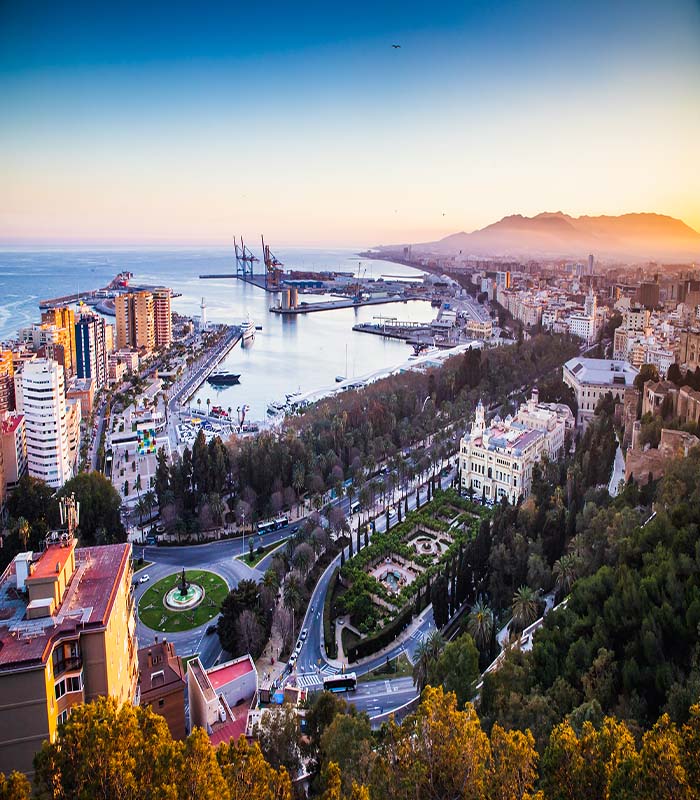
Málaga has earned an international reputation as one of Spain’s leading accessible tourism destinations through its long-standing commitment to inclusive urban development, accessible public transport, barrier-free cultural attractions, and adapted beaches. Visitors can travel using accessible buses, pedestrian routes, and mobility-friendly infrastructure while enjoying attractions such as the Picasso Museum, Alcazaba, Centre Pompidou Málaga, Málaga Cathedral, and the city’s accessible beaches, all of which offer step-free access and inclusive visitor facilities.
Málaga received a Special Mention in the 2014 European Commission Access City Award, recognising its outstanding work in improving accessibility across tourism, public spaces, and urban infrastructure. Since then, the city has continued investing in accessible mobility, inclusive tourism services, and universal design, reinforcing its reputation as one of Southern Europe’s leading accessible destinations.
New York City, United States
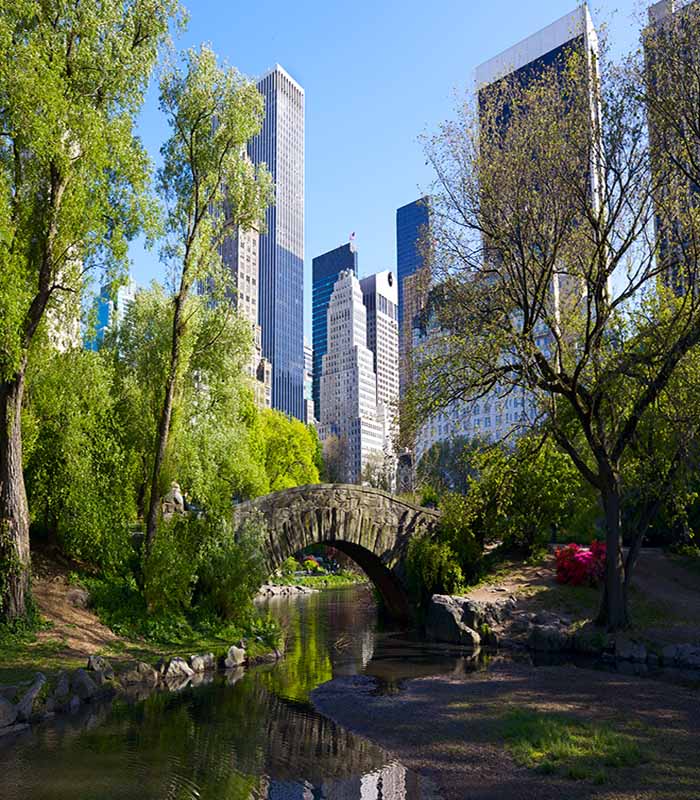
New York City is one of the world’s most visited destinations and continues to improve accessibility through inclusive transport, public spaces, and cultural attractions. Visitors can travel using low-floor buses, an expanding network of accessible subway stations, accessible taxis, and paratransit services across the five boroughs. Renowned attractions including the Statue of Liberty, Empire State Building, Central Park, The Metropolitan Museum of Art, the American Museum of Natural History, and many Broadway theatres provide wheelchair access, assistive listening systems, accessible entrances, and visitor support services, enabling people of all abilities to experience the city’s diverse attractions.
New York City is recognised globally for implementing the Americans with Disabilities Act (ADA) and for ongoing investments in accessible public transport and civic infrastructure. The Metropolitan Transportation Authority (MTA) continues to expand step-free subway access, while city agencies work to improve accessibility across public facilities, parks, and tourism experiences.
Copenhagen, Denmark
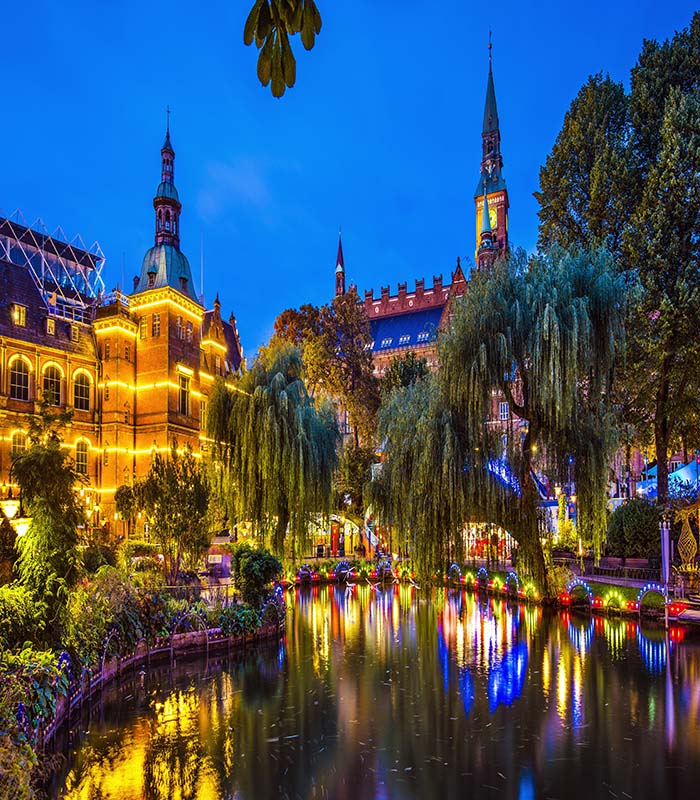
Copenhagen is internationally recognised for its people-centred urban planning, sustainable mobility, and commitment to creating an inclusive city for residents and visitors alike. The Danish capital offers accessible metro stations, trains, buses, pedestrian-friendly streets, and public spaces designed to support independent mobility. Visitors can comfortably explore attractions including Tivoli Gardens, Nyhavn, the National Museum of Denmark, Christiansborg Palace, and The Little Mermaid waterfront through accessible routes and visitor facilities.
Copenhagen continues to strengthen accessibility through Denmark’s universal design policies, accessible public transport, and inclusive urban planning. Continuous investment in barrier-free infrastructure and sustainable city development has positioned Copenhagen among Europe’s most accessible capitals.
Toronto, Canada
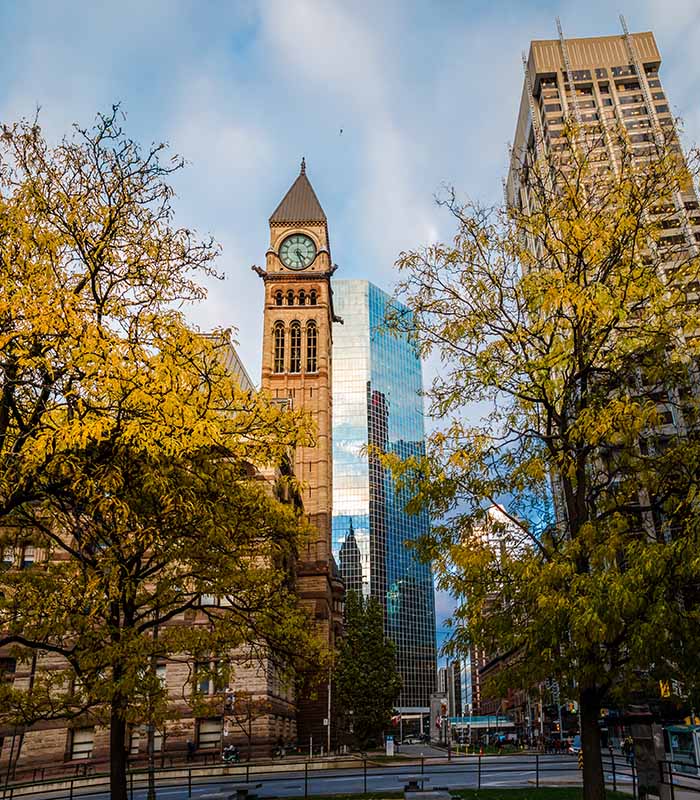
Toronto is one of North America’s leading accessible cities, offering inclusive transportation, public spaces, and cultural experiences that support travellers of all abilities. The Toronto Transit Commission (TTC) continues to expand accessible subway stations, low-floor streetcars, buses, and Wheel-Trans services, enabling convenient travel across the city. Visitors can enjoy barrier-free access at renowned attractions such as the CN Tower, Ripley’s Aquarium of Canada, the Royal Ontario Museum, the Art Gallery of Ontario, and Toronto Islands through accessible facilities and visitor services.
Toronto is recognised for implementing the Accessibility for Ontarians with Disabilities Act (AODA) and advancing inclusive city planning. Continuous improvements to public transport, public buildings, parks, and tourism services reinforce Toronto’s position as one of Canada’s most accessible urban destinations.
Lisbon, Portugal
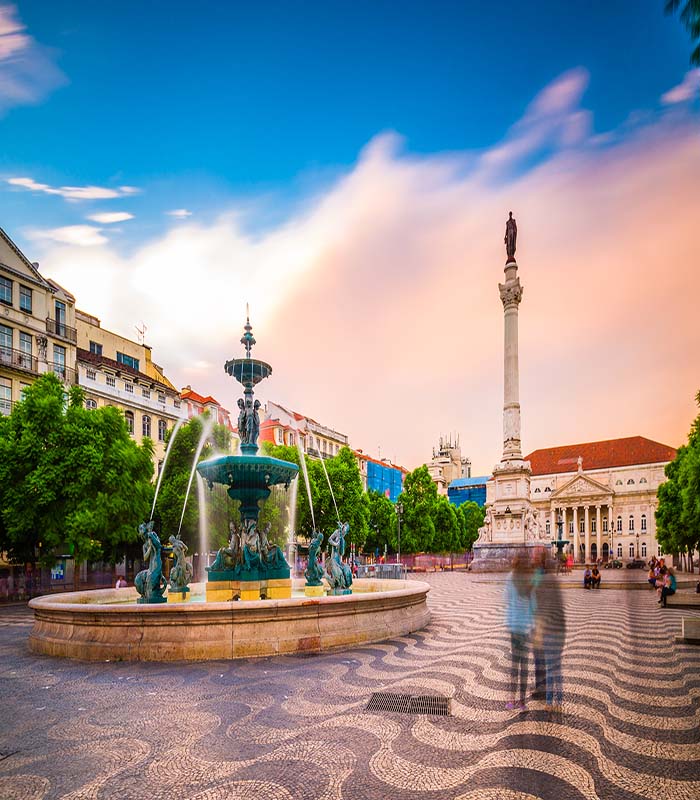
Lisbon has made significant progress in accessible tourism through continuous investment in inclusive infrastructure, accessible public transport, and barrier-free visitor experiences. Although its historic hills present unique challenges, the city has expanded accessible metro stations, low-floor buses, modern trams, lifts, funiculars, and pedestrian improvements. Visitors can explore attractions including Belém Tower, Jerónimos Monastery, MAAT Museum, Oceanário de Lisboa, and Praça do Comércio through accessible routes and adapted visitor facilities.
Lisbon continues to strengthen accessibility through national tourism initiatives, inclusive transport improvements, and accessible cultural experiences. Portugal’s commitment to accessible tourism and universal design has helped position Lisbon as one of Southern Europe’s most welcoming destinations for travellers with disabilities.
Oslo, Norway

Oslo has established itself as one of the world’s leading accessible capitals through inclusive planning, sustainable mobility, and universal design. The city’s public transport system includes accessible metro stations, low-floor trams, buses, ferries, and railway services, enabling convenient travel throughout the city. Visitors can explore attractions including the Oslo Opera House, MUNCH Museum, Vigeland Park, the National Museum, and Oslo Fjord experiences through accessible pathways, lifts, and adapted visitor services.
Oslo is internationally recognised for its commitment to universal design through national accessibility legislation and inclusive city planning. Ongoing investment in barrier-free public spaces, accessible transport, and digital inclusion continues to enhance the city’s reputation as one of the Nordic region’s most accessible destinations.
Helsinki, Finland
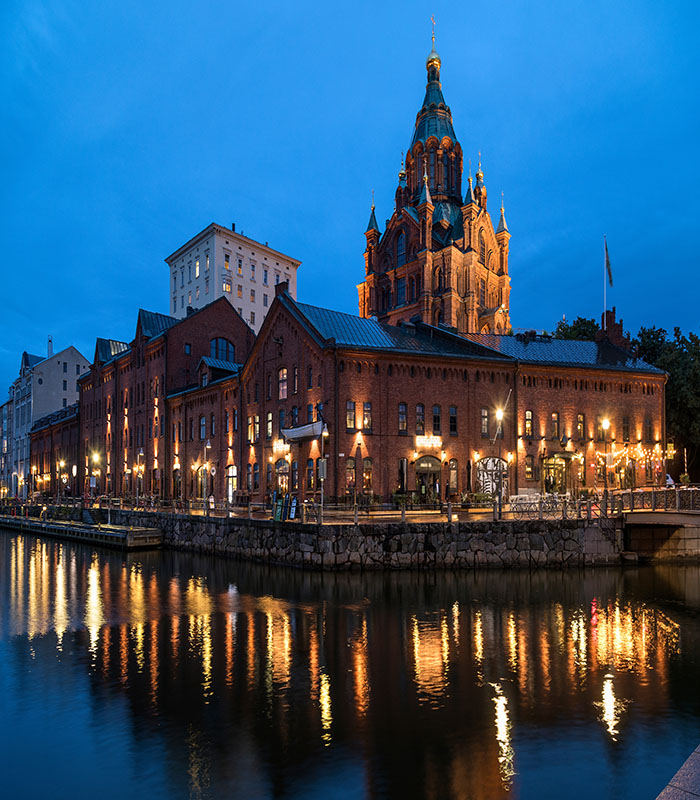
Helsinki is recognised as one of Northern Europe’s most accessible capitals, integrating universal design across transport, public services, cultural venues, and urban development. Visitors benefit from accessible trams, metro services, buses, commuter trains, and ferries, while attractions such as Suomenlinna Sea Fortress, Oodi Central Library, Helsinki Cathedral, and the National Museum of Finland provide accessible entrances, lifts, and visitor facilities that support independent exploration.
Helsinki has received significant recognition through the European Commission’s Access City Award, earning Second Prize in 2015 and again in 2022 for its comprehensive approach to accessibility. The city was recognised for improving accessible public transport, digital services, public buildings, and community participation, demonstrating a long-term commitment to creating an inclusive environment for everyone.